
Why Harley-Davidson Still Showcases the Engine in a Modern Motorcycle

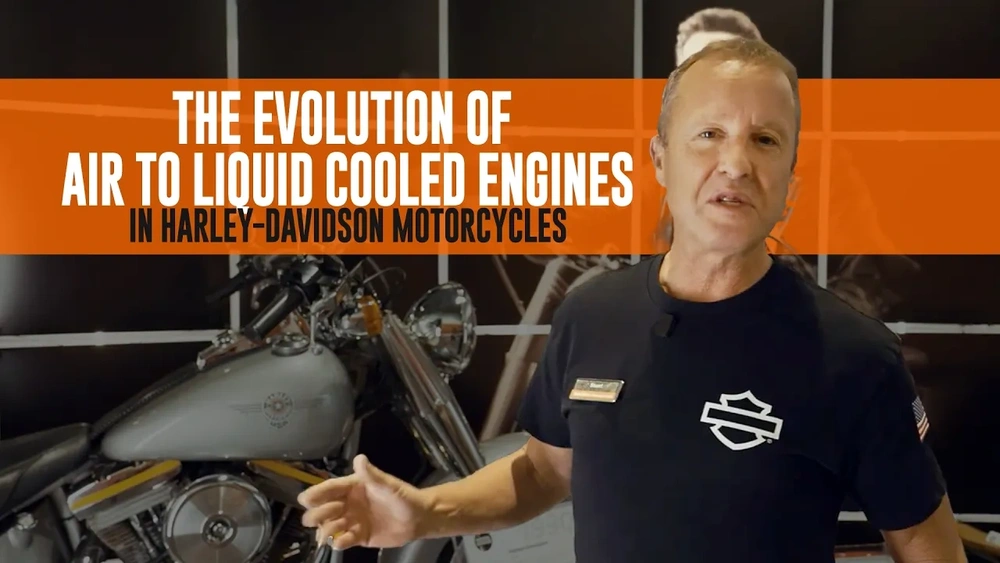
For many riders, the engine is the centerpiece of a Harley-Davidson motorcycle. While modern motorcycles must meet increasingly strict emissions and noise regulations, Harley-Davidson has worked to preserve the classic appearance that riders have come to expect from the brand.
This approach has led to the development of air-cooled, oil-cooled, and liquid-cooled engine designs that maintain the unmistakable look of a Harley-Davidson V-twin. Riders throughout Vancouver and the Lower Mainland often ask how Harley-Davidson balances modern technology with traditional styling, and the answer lies in the evolution of its engines.
Harley-Davidson's Engine Philosophy
Harley-Davidson has long viewed the engine as the visual centerpiece of the motorcycle. While many manufacturers have added extensive bodywork and fairings that conceal mechanical components, Harley-Davidson has consistently worked to keep the engine visible.
The challenge has been meeting changing government regulations regarding noise and exhaust emissions while preserving the traditional appearance riders appreciate. Over the decades, Harley-Davidson has adapted engine technology without losing sight of that design philosophy.
Learning from the Past
Historic Harley-Davidson motorcycles demonstrate how much motorcycling has changed over the years. Early models such as the 1914 Model 10F and the 1936 Knucklehead were built long before modern emissions requirements existed.
These motorcycles highlight the simple and distinctive design that helped establish Harley-Davidson's identity. Today, many enthusiasts value preserving these historic machines in their original condition, including original paint and patina, rather than performing complete restorations.
Looking back at these motorcycles provides context for understanding the engineering challenges Harley-Davidson faces today.
Working with Modern Emissions Standards
As emissions regulations became stricter, Harley-Davidson introduced several technologies to improve efficiency and reduce emissions.
Fuel injection replaced carburetors, helping reduce unburned fuel while improving overall engine management. Adjustments to ignition systems also helped motorcycles comply with noise regulations.
Rather than dramatically changing the appearance of its motorcycles, Harley-Davidson focused on integrating these technologies while maintaining the visual identity of the classic 45-degree V-twin engine.
The Role of Porsche in Engine Development
Harley-Davidson has partnered with Porsche on several engine projects over the years.
According to Stuart, Porsche helped refine the V-Rod engine and contributed expertise in managing heat within motorcycle engines. Porsche's experience with air-cooled performance engines helped Harley-Davidson develop solutions that improved cooling while maintaining the look riders expected.
This collaboration played a role in the ongoing evolution of Harley-Davidson engine technology as emissions requirements continued to increase.
Hidden Cooling Systems on Modern Harley-Davidson Motorcycles
One of Harley-Davidson's most distinctive approaches has been integrating cooling systems without making them the visual focus of the motorcycle.
On motorcycles such as the Road Glide, liquid cooling is incorporated in a way that keeps the engine as the focal point. Radiators are positioned and disguised within the motorcycle's design rather than becoming dominant visual elements.
The goal is to reduce operating temperatures while preserving the traditional Harley-Davidson appearance. This allows the motorcycle to benefit from modern cooling technology without losing its recognizable styling.
The Revolution Max Engine
The Revolution Max engine represents a more modern direction in Harley-Davidson engine design.
Unlike some traditional Harley-Davidson powertrains, the Revolution Max uses a visible radiator and incorporates modern engineering features aimed at riders seeking contemporary performance. Despite these updates, the engine remains visually prominent rather than hidden behind bodywork.
Stuart notes that many younger riders are drawn to this modern appearance, while still appreciating the distinctive character of a Harley-Davidson V-twin engine.
Oil Cooling and the Street Bob
Not every Harley-Davidson motorcycle uses full liquid cooling. Models such as the Street Bob utilize an air-and-oil-cooled design.
In this system, oil helps manage engine temperatures while maintaining the classic appearance many riders prefer. Cooling components are integrated into the motorcycle in a way that preserves the traditional look of the engine.
This approach allows Harley-Davidson to continue offering motorcycles that closely resemble the classic air-cooled designs that have defined the brand for generations.
Why the 45-Degree V-Twin Still Matters
Throughout decades of technological changes, the 45-degree V-twin remains a defining characteristic of Harley-Davidson motorcycles.
Beyond its appearance, Stuart highlights the engine's narrow design and low center of gravity. These characteristics have contributed to its continued popularity and have helped shape Harley-Davidson motorcycles across multiple generations.
Even as cooling systems and engine technologies evolve, Harley-Davidson continues to build motorcycles around this recognizable engine architecture.
Who This Motorcycle Is For
This discussion applies to riders interested in understanding the broader Harley-Davidson lineup and the differences between traditional and modern engine designs.
It may appeal to new riders researching their first Harley-Davidson, experienced riders comparing models, or enthusiasts who appreciate the history and engineering behind the brand. Riders who value classic styling but also want modern technology will find this topic particularly relevant.
Common Questions or Misunderstandings
Many riders assume that all modern Harley-Davidson motorcycles are fully liquid-cooled. In reality, Harley-Davidson offers several cooling approaches depending on the model.
Another common misconception is that cooling systems require large, highly visible radiators. Harley-Davidson often integrates cooling components into the design while keeping the engine as the visual centerpiece.
This also is not a discussion about one specific motorcycle model. Instead, it explains the evolution of Harley-Davidson engine technology across several generations of motorcycles.
Key Takeaways
-
Harley-Davidson continues to prioritize the visual appeal of its V-twin engines.
-
Modern emissions standards have driven significant engine development.
-
Fuel injection helped improve emissions compared to older carbureted systems.
-
Harley-Davidson uses air cooling, oil cooling, and liquid cooling across its lineup.
-
Cooling systems are often integrated discreetly into motorcycle designs.
-
The 45-degree V-twin remains central to Harley-Davidson's identity.
Frequently Asked Questions
Why doesn't Harley-Davidson simply cover the engine with bodywork?
Harley-Davidson views the engine as one of the most important visual elements of the motorcycle. The company has consistently worked to keep the engine visible while integrating modern technology around it.
Are all modern Harley-Davidson motorcycles liquid-cooled?
No. Harley-Davidson currently uses different cooling methods depending on the motorcycle. Some models use liquid cooling, while others use air-and-oil-cooled designs.
What is the Revolution Max engine?
The Revolution Max is a modern Harley-Davidson engine platform that incorporates liquid cooling and contemporary engine technology. It represents a different approach from some of the brand's more traditional engine designs.
How does the Street Bob handle engine cooling?
According to the discussion, the Street Bob uses an air-and-oil-cooled system. This helps manage heat while maintaining the appearance many riders associate with a traditional Harley-Davidson.
Should I test ride different Harley-Davidson engine platforms?
Yes. Different Harley-Davidson motorcycles offer different riding experiences and engine characteristics. A test ride can help you determine which model best suits your riding preferences and expectations.
Next Steps
If you'd like to learn more about Harley-Davidson motorcycles and experience the differences for yourself, the team at Trev Deeley Motorcycles would be happy to help.
Visit Trev Deeley Motorcycles
https://www.trevdeeley.com
Contact the Sales Team
https://www.trevdeeley.com/contact-email-harley-davidson-dealership--xcontact
Call the Dealership
604-291-2453
Schedule a Test Ride
https://www.trevdeeley.com/test-ride
Explore Harley-Davidson Financing Options
https://www.trevdeeley.com/buy-a-Harley-motorcycle-with-credit--financing
Dealership Information
Trev Deeley Motorcycles
1875 Boundary Rd, Vancouver, BC V5M 3Y7
Phone: 604-291-2453
We invite you to stop by, explore the motorcycles in person, and find the Harley-Davidson that best matches your riding style.