
2026 Road Glide vs Low Rider ST: Which Harley Fits the Way You Ride?

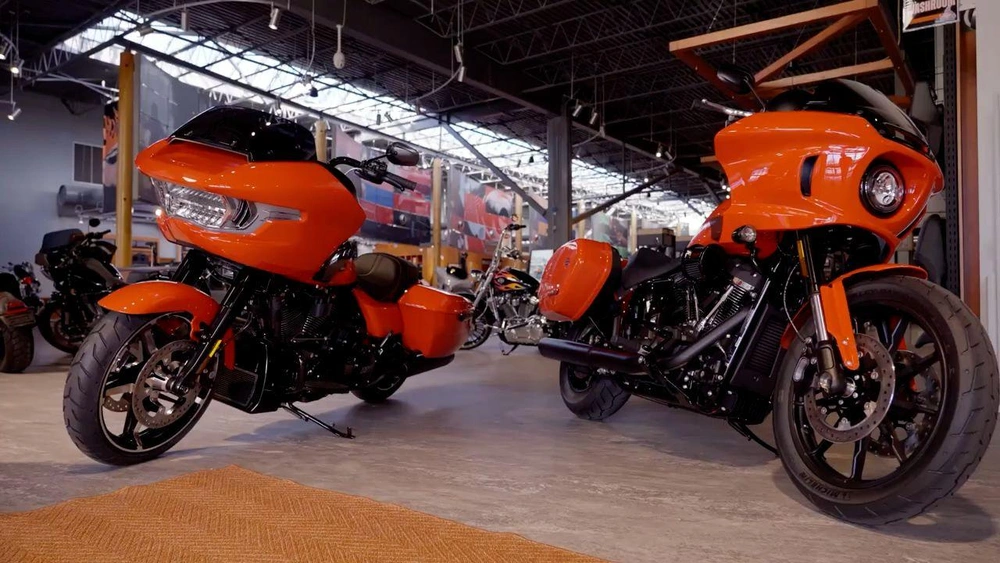
Here’s something that surprised us on the sales floor: Customers are trading places with one another. Younger riders are walking right past the sporty bikes and buying the Road Glide, our big bagger, whilst the older guys who rode FXRs and Dynas in their younger days and then moved onto baggers, are coming back to their roots with a new Low Rider ST.
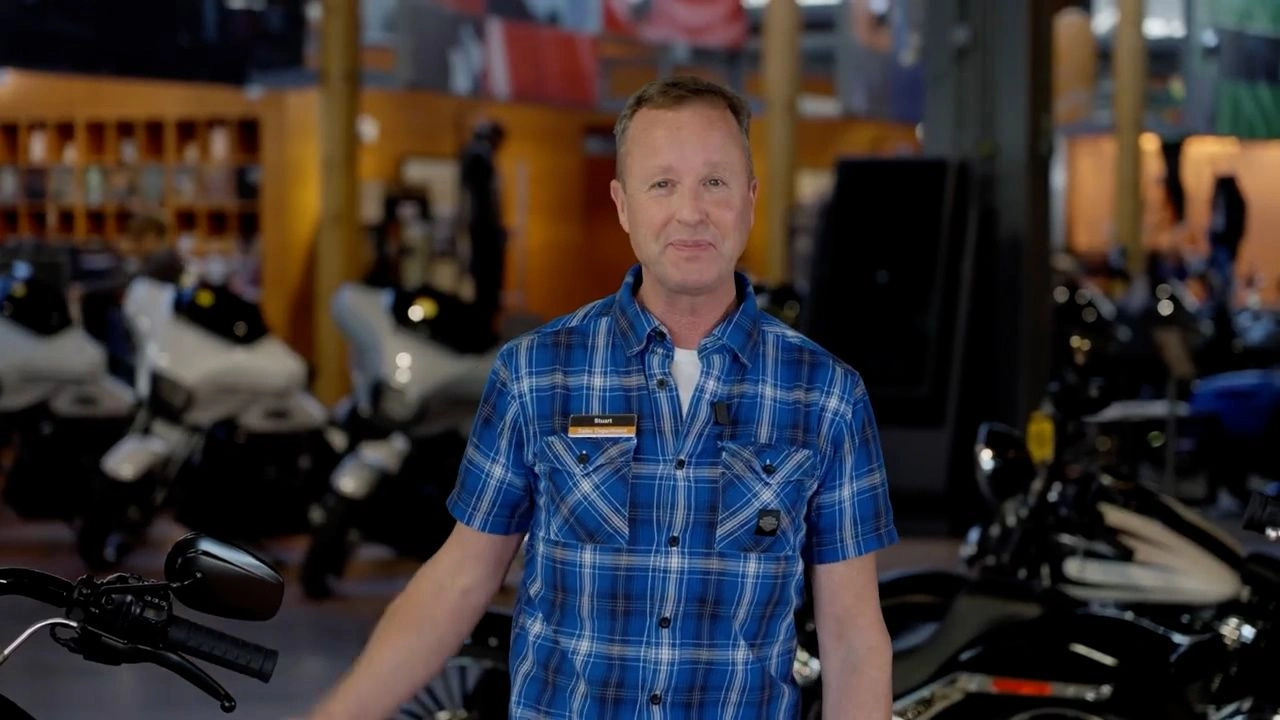
Stuart from our Sales Department has been watching it happen, so he lined up the two bikes side by side and broke down what actually separates them - Because on paper, these two are far closer than you’d think.
Why the Old FXR Guys Want the Low Rider ST
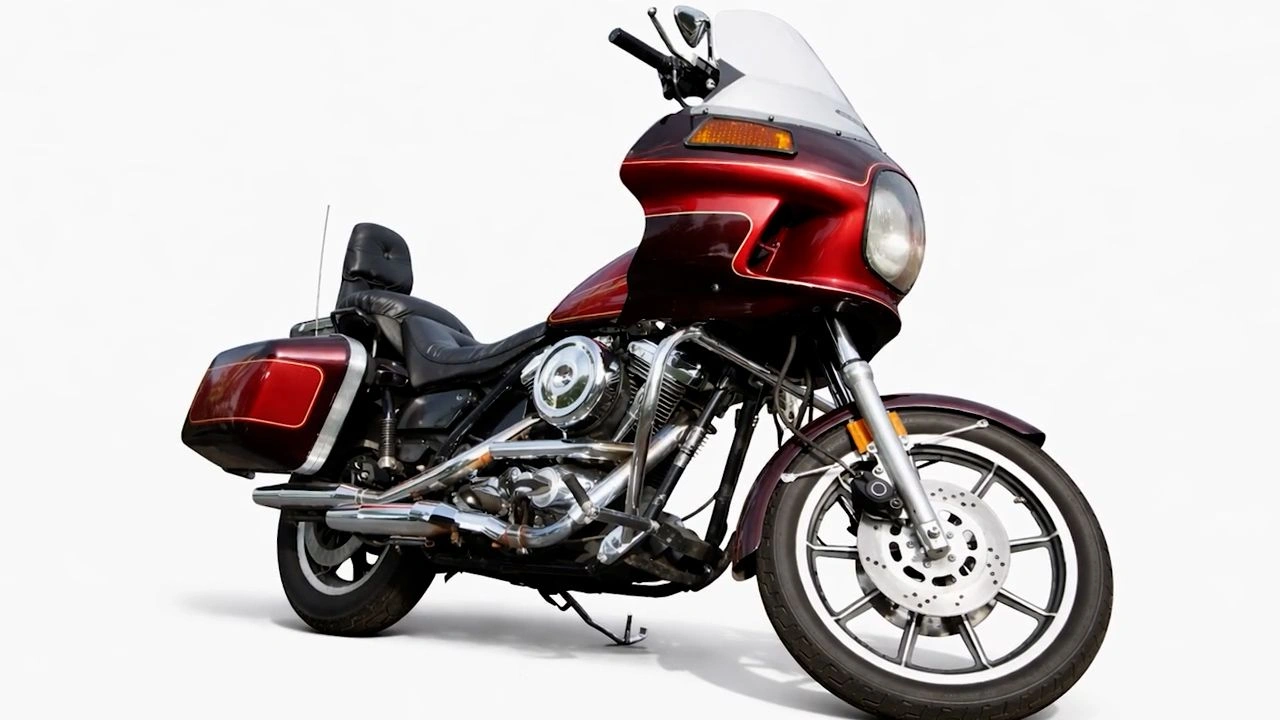
The Low Rider ST’s frame-mounted fairing isn’t just a style choice. It deliberately echo’s the Harley-Davidson FXRT from back in the day, and that resemblance is exactly what’s pulling riders in. If you rode an FXR convertible or a Dyna convertible in your younger years, the ST looks like the bike you remember, but built the way you always wished it was.
There’s practical sides to this bike too of course. Riders who have spent years on 800 pound baggers are noticing the weight more than they used to, and the ST still gives them the fairing, the saddlebags and the highway manners but in a lighter sportier package.
Meanwhile the younger crowd getting into sport touring is heading straight for the Road Glide. Both bikes have found their new audiences. Neither one is the “old guy bike” or the “young kids bike” anymore.
Closer Than You’d Think
Put both models side by side and the family resemblance is real. Both bikes run 19 inch front wheels, a 110 tire on the Low Rider ST and a wider 130 on the Road Glide. However, both run 180 rear tyres and both bikes are built to carry you and your gear at highway speeds all day.
Even cornering clearance is nearly a wash: 31.3 degrees on the ST, 32 on the Road Glide. The big bagger actually leans that little bit further.
The real difference between the two models is the weight and everything that flows from it.
Sitting On It vs Sitting In It
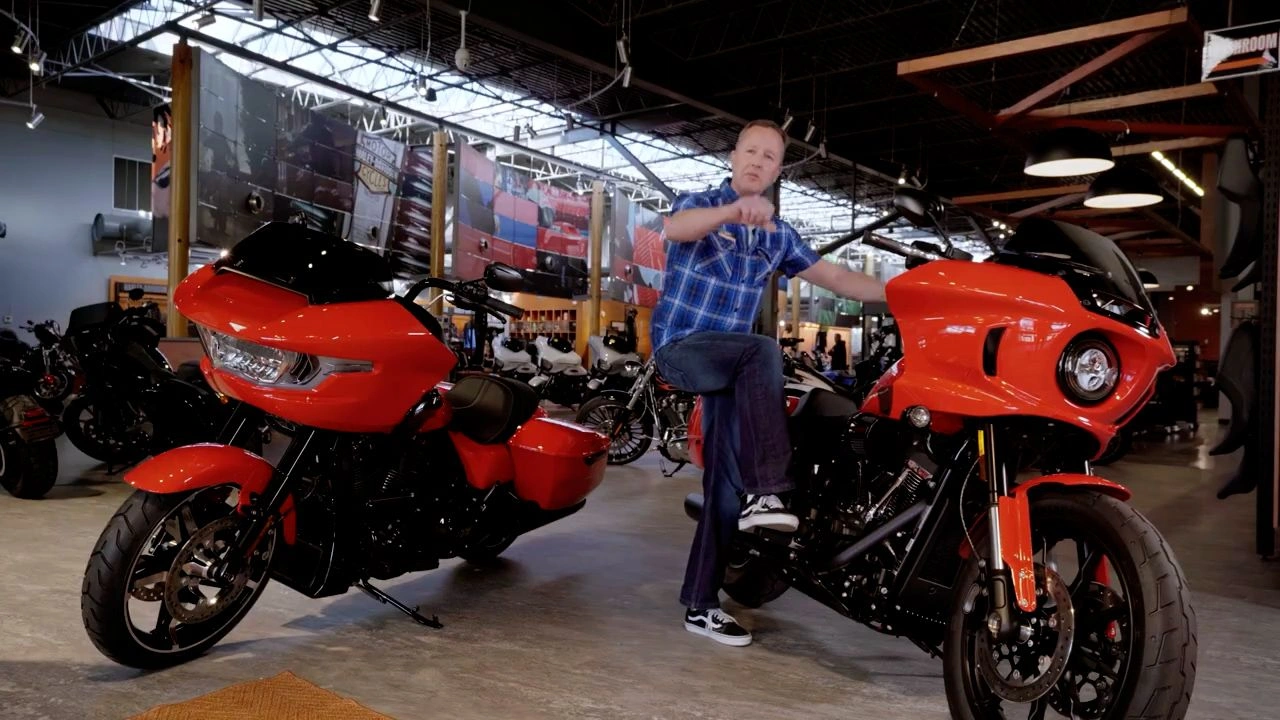
This is where the two bikes' similarities end. On the Low Rider ST, you sit on the motorcycle, where you are up above it, knees higher and fists forward. It’s a more aggressive stance, and it suits the bike’s attitude.
In contrast, on the Road Glide you sit in the bike. Feet forward, room to move your boots around on a long day and generally more relaxed, you are in a more comfortable position. Add in the Skyline OS infotainment with your music and navigation on screen, and you start to see where the roughly $4,000 gap between the two comes from. Stuart’s take: when you tally up what the Road Glide carries as standard, the price difference is justifiable.
Two Different Answers From the Same 117
Both bikes run the Milwaukee-Eight 117, but Harley-Davidson turned them in opposite directions.
The Road Glide makes 130 foot-pounds of torque horsepower. That’s grunt where a touring bike needs it, low in the revs, pulling two people and a week of gear away from the stoplight.
The Low Rider ST makes a bit less torque at 128-foot pounds, but more horsepower: 114. It runs the 117 High Output motor with a different camshaft that keeps making power higher in the rev range. If you like to rev a bike out and feel it rush, this is your engine. Stuart rode one last year and his review has two words: It rips.
The Heat Problem, Solved Two Ways
More compression and more power means more heat, and Harley Davidson listened when customers talked about it.
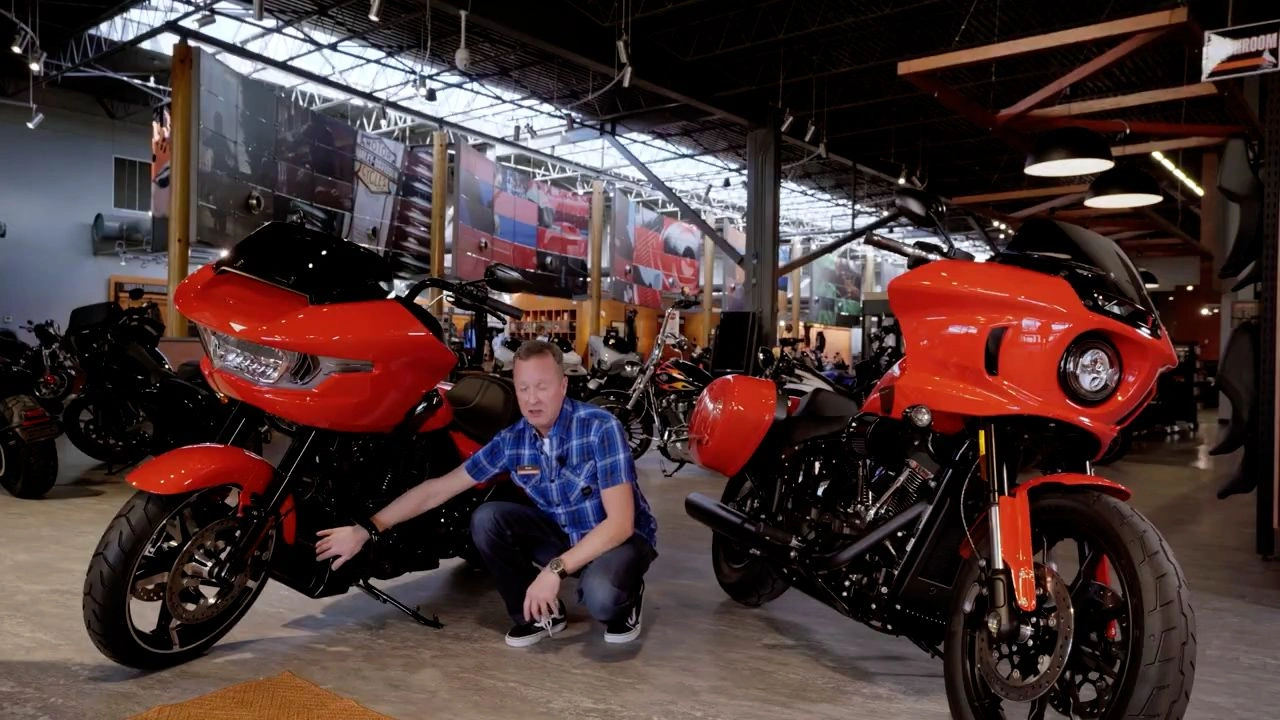
The Road Glide’s motor is liquid cooled. There’s a real radiator in the front of the new Touring chassis, which Harley Davidson disguises it so well most people never spot it. The Low Rider ST takes the simpler route: a heat exchanger up front that works as an oil cooler, shedding heat through the oil alongside the air cooling.
Same problem, two answers. One adds hardware, and the other keeps the bike light and simple.
The Saddlebag Test
Here’s a detail you only notice after owning one. Both bikes have saddlebags, but the Low Rider ST’s have a quick-detach feature where they pop off in seconds. Strip them off and the ST still looks great, which also makes cleaning day easier. Most ST owners leave them on anyway, but the option to remove them is there if you want it.
Take the bags off a Road Glide and, in Stuart’s honest words, it just loses its appeal. The Road Glide is a bagger through and through. It’s meant to wear them.
So Which One Suits You?
Stuart doesn’t dodge this one, and he doesn’t pretend to be neutral either. He’s watched riders climb the usual ladder, Sportster to Softail, to the Touring chassis, and he’s climbed it himself. He’ll admit the Low Rider ST leaves him a little cramped, provides more of a bent knee stance than he wants these days, even though he calls it an awesome bike. For him, it’s the Road Glide: the comfort, the music, the navigation, all your gear on board, and a bike that still hustles through corners.
But as he puts it, this is the Crest versus Colgate Pepsi versus Coke debate. The Low Rider ST is for the rider who wants the sportier stance, the high revving motor and the lighter bike that still tours. The Road Glide is for the rider who wants all-day comfort and the full touring toolkit, and doesn't mind the weight or the price of admission.
Two great answers. The only wrong movie is choosing a bike without sitting on them first.
Frequently asked questions
What’s the real difference between the Road Glide and the Low Rider ST?
Weight and riding position mostly. The Road Glide is a full-size bagger you sit in, with feet-forward-comfort and Skyline OS infotainment. The Low Rider ST is a lighter and sportier bike that you sit on top of with your knees higher and fists forward. Despite their differences, tire size and cornering clearance are surprisingly close.
Which bike has more horsepower?
This depends on exactly what you are looking for. The Road Glide makes more torque, 130 foot-pounds against 128. The Lowrider ST makes more horsepower, 114 against 105, thanks to its 117 High Output motor and a camshaft that pulls harder at high RPM.
Can you actually tour on a Low Rider ST?
Yes. It’s a genuine sport touring bike with a frame-mounted fairing and quick-detach saddlebags, in the spirit of the old FXRT. What you give up against the Road Glide is infotainment, some wind protection and some long-haul comfort.
Why does the Road Glide cost more?
Roughly $4,000 separates the two, and the gap is mostly equipment: Skyline OS with navigation and audio, liquid cooling and the full touring chassis. Whether that’s worth it comes down to how many miles you ride and how much comfort you want doing it.
The Seat Settles the Argument
You can compare spec sheets all night, but these two bikes feel completely different the moment you sit on them, and that’s the honest way to choose. Everyday is a demo day at Trev Deeley Motorcycles. Call 604-291-2453 to book a demo ride on both, or come see us at 1875 Boundary Road in Vancouver, Tuesday through Saturday.